.svg)
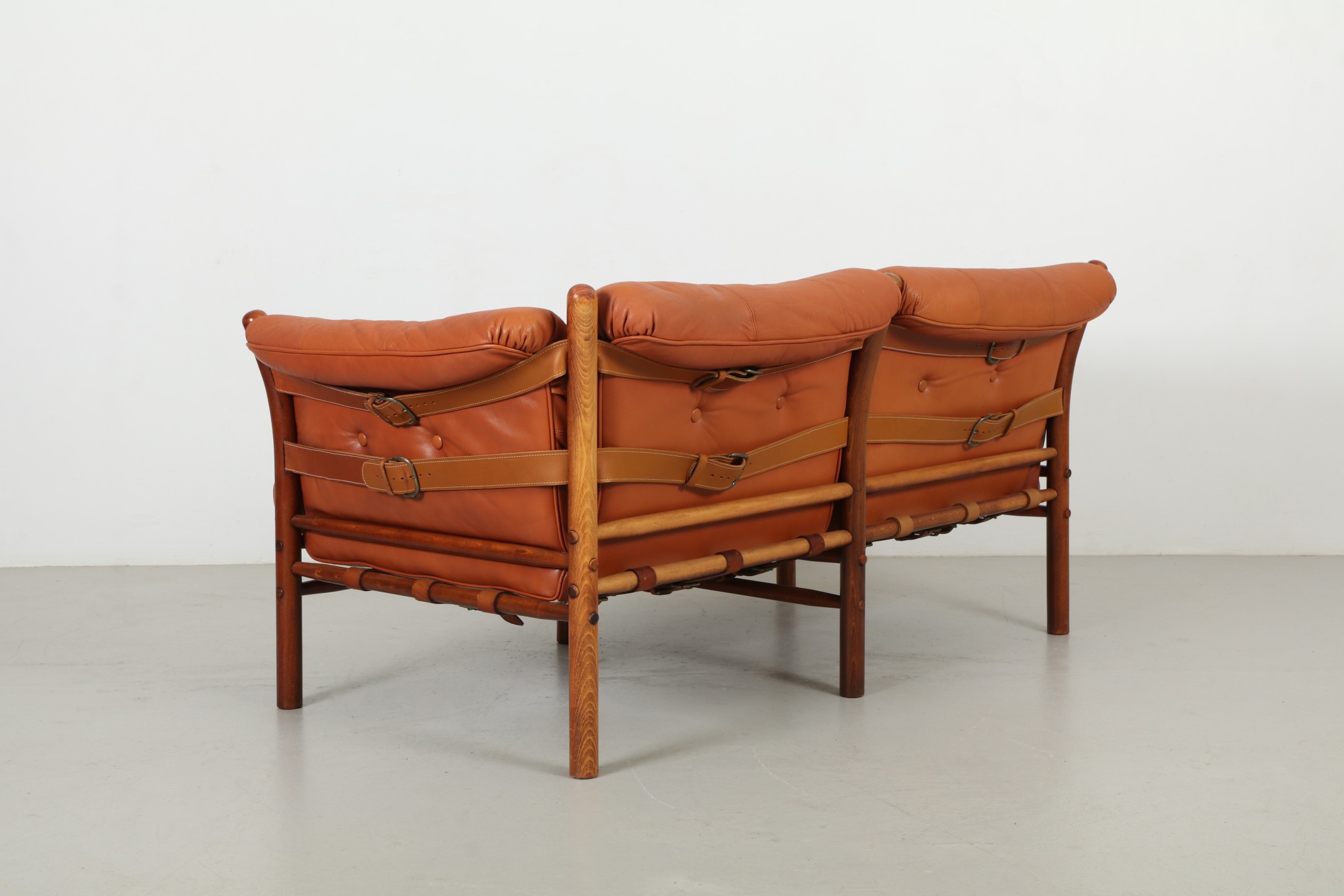
Arne Norell created some of the most expressive and inviting furniture of post-war Scandinavian design. Working with rich leather, exposed timber, steel and beautifully considered upholstery, he developed a style that was distinctly his own: relaxed, tactile and often technically ingenious.
Largely self-taught, Norell established his own workshop in Sweden in 1954 before relocating to Småland, where he founded the company that became Norell Möbel AB. The business remains family-run today, and many of his original designs are still handmade in Sweden at the company’s factory in Aneby.
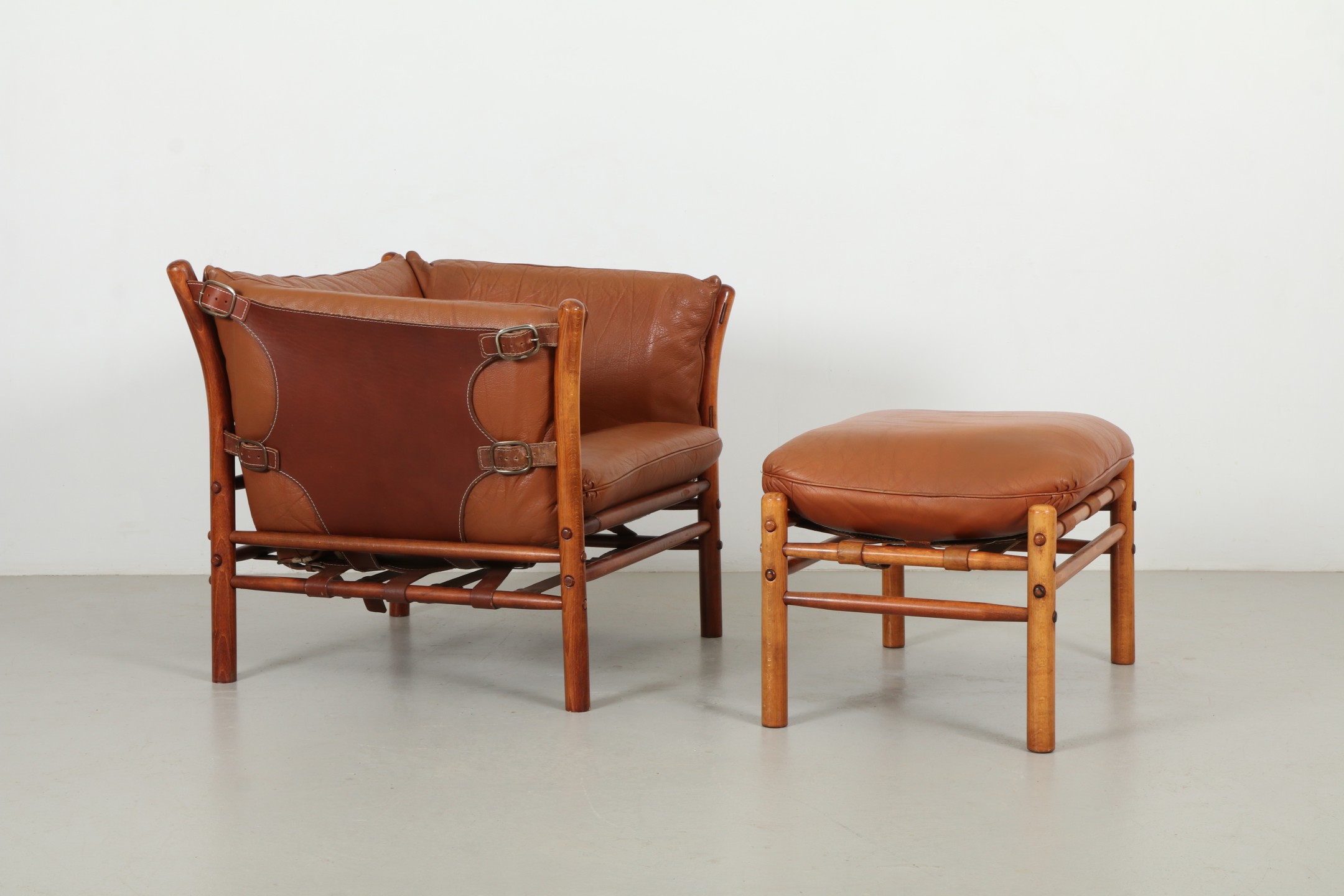
Norell was fascinated by construction and the possibilities of materials. Rather than hiding how a chair was assembled, he often made the structure part of its character. Leather straps, buckles, exposed frames and carefully tensioned upholstery became integral to the design.
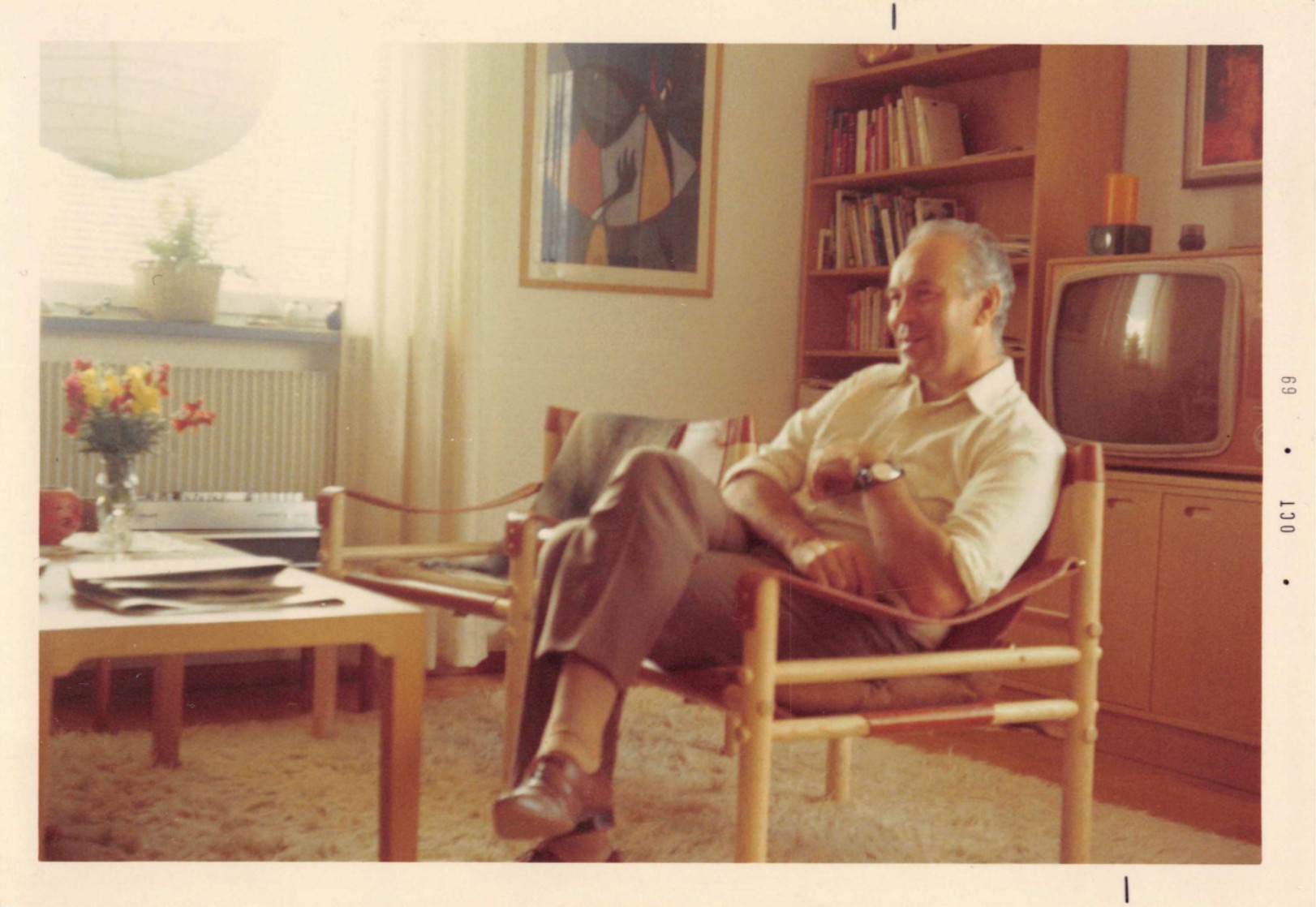
The Sirocco chair, introduced in 1964, reinterpreted the traditional safari chair with a substantial timber frame and suspended leather seat. The later Ari chair, designed in the 1960s, took an entirely different approach, pairing a sculptural chromed-steel frame with leather straps and deep cushioning. In 1973, two years after Norell’s death, Ari received the British Furniture Manufacturers’ prestigious Showpiece of the Year award.
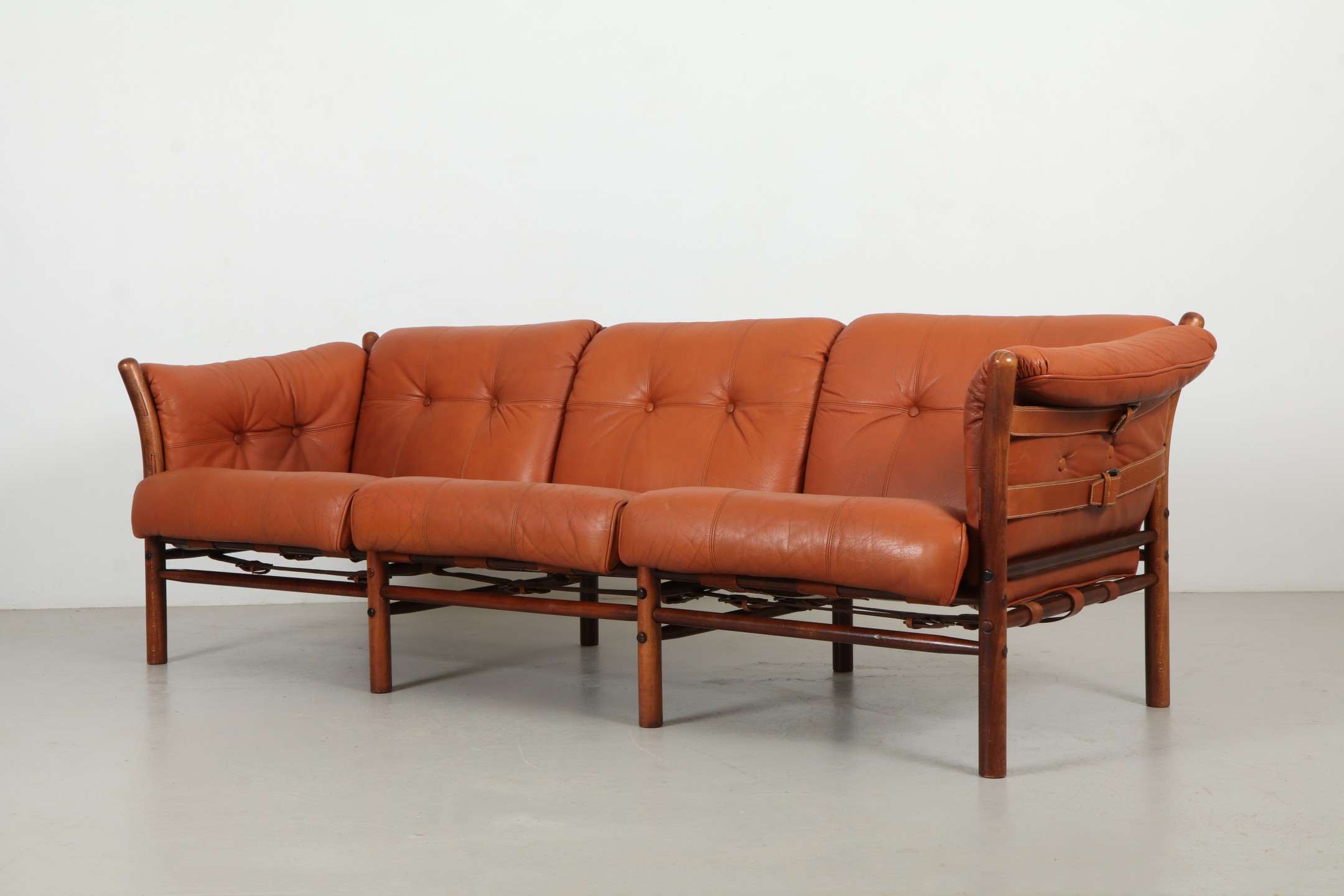
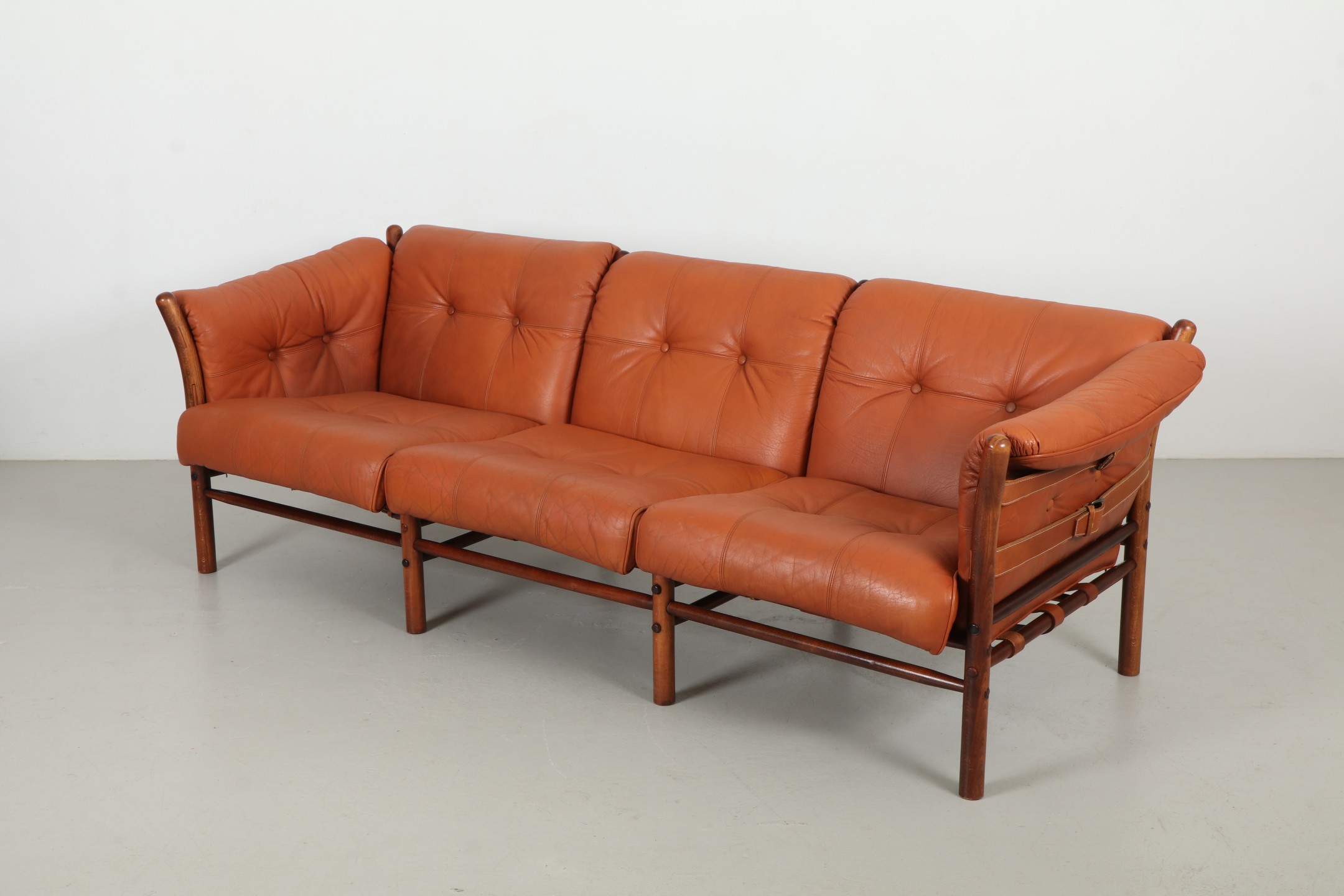
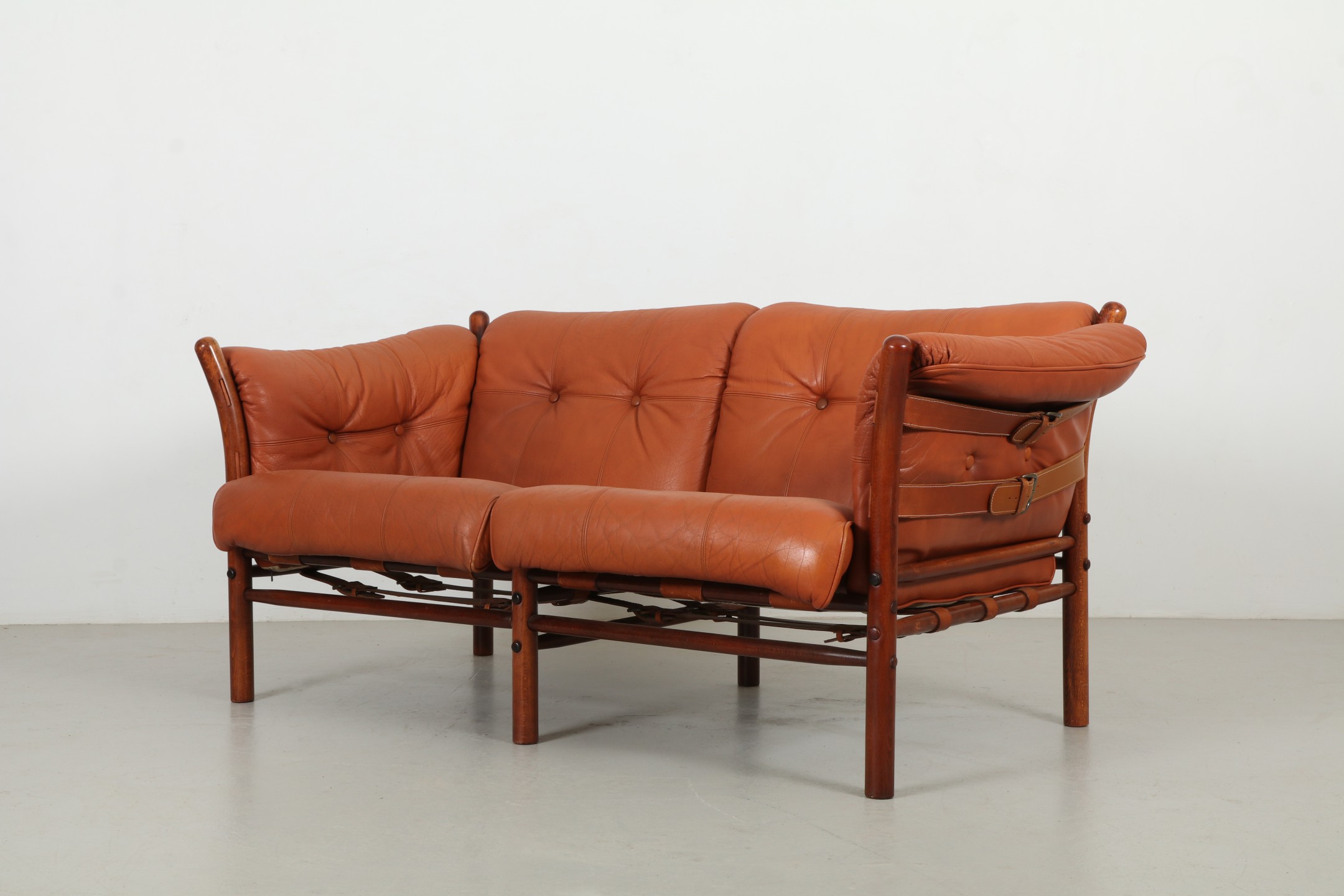
Other celebrated designs, including Ilona, Inca, and Kontiki, demonstrate Norell’s ability to combine visual drama with exceptional comfort. That balance is what makes his furniture so compelling today. Norell’s designs are unmistakably mid-century, yet never feel rigid or overly formal. They invite you to sit down, settle in and enjoy them. It is furniture designed as much for living as for looking at.
His work is represented in Sweden’s Nationalmuseum and continues to be produced more than half a century after his death.


/ Furniture designer Arne Norell together with his wife Britta Norell
/ Arne Norell at home seated in his Sirocco chair